
Last Updated: November 10, 2026
Quick Summary
Durable apparel for everyday fitness is worth the higher price only when you wear it often enough to spread the cost. Judge each piece by whether it will still look and perform after a year of hard use, checking fabric, stitching and fit. Washing cold and hanging to dry also extends a garment's life.
- Divide the purchase price by the expected number of wears to compare cost per wear.
- Check seams and hems before buying, since loose threads and uneven stitching rarely improve with wear.
- Heavier knits tend to last longer, though they can feel warmer on summer runs.
- Fit affects durability, because poorly fitted garments stretch and thin at stress points first.
- Wash cold, skip fabric softener and bleach, and avoid high-heat drying to extend a garment's life.
Table of Contents
- What Makes Durable Apparel Hold Up: Fabric, Weight and Stitching
- Men's Durable Workout Clothes: Choosing for Heavy Sweat and Frequent Wear
- Women's Durable Workout Clothes: Fit, Support and Long-Term Wear
- Cost Per Wear: When Higher Prices Pay Off and When They Don't
- Affordable Gym Clothes for Men and Sustainable Workout Brands Compared
- Building a Durable Everyday Fitness Wardrobe Starting With Your Next Purchase
- Frequently Asked Questions
Durable apparel for everyday fitness is worth paying more for only when you wear it often enough to spread the cost. The same question should shape every purchase: will this piece still look and perform after a year of hard use? Everyday fitness clothes tend to fail in predictable ways, and the failures are easier to spot once you know what to look for.
Sweat is the first culprit. Repeated washing breaks down elastic fibers, and fabrics that hold moisture stay damp longer, which weakens them over time. Friction at the seams, under the arms and along the waistband wears through material long before the fabric itself looks worn.
Washing habits matter as much as the garment. Hot water, bleach and fabric softener all shorten a garment's life, and tumble drying on high heat can warp stitching. A simple habit change, such as washing cold and hanging to dry, often adds more life to a shirt than any single feature the label promises.
What Makes Durable Apparel Hold Up: Fabric, Weight and Stitching
Durable apparel holds up because of three things working together: the fiber, the fabric weight and the construction. Polyester is common in running gear because it resists stretching out and dries quickly, while cotton blends feel softer but absorb more moisture. Fabric weight, usually measured in ounces per square yard or per shirt, affects how well a garment resists abrasion. Heavier knits tend to last longer, though they can feel warmer on summer runs.
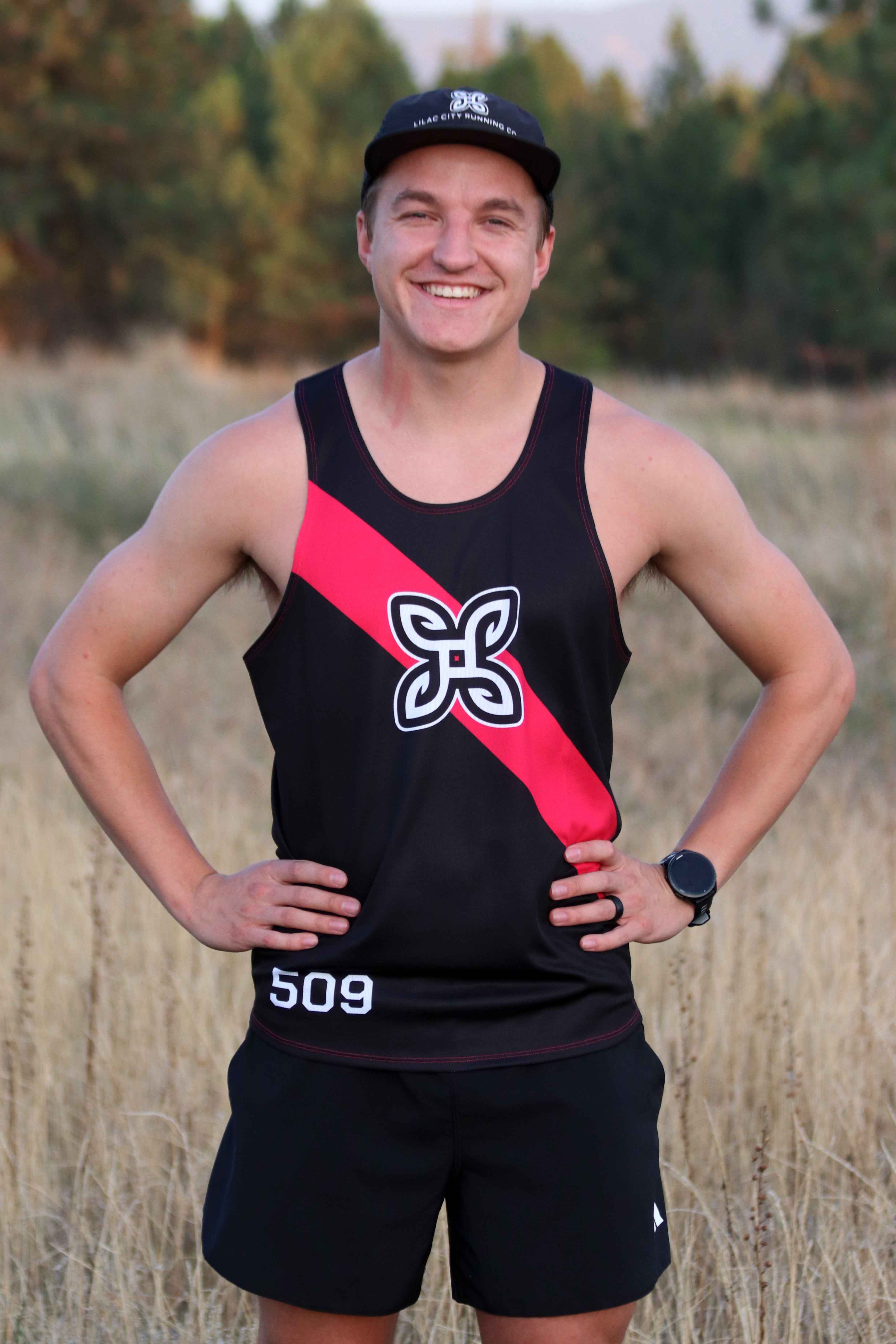
Stitching is the detail many shoppers overlook. Reinforced seams at the shoulders and underarms keep a garment from splitting under repeated movement. Flatlock seams reduce chafing, and contrasting edge stitching, like the seams on some of our singlets, can signal careful construction. Check the seams and hems before you buy: loose threads and uneven stitching at the start are rarely improved by wear.
Watch out: a lightweight fabric can feel comfortable in the store and still wear thin within a season if you train five or six days a week. Match the fabric weight to how often you wear the piece, not just to the weather.
Men's Durable Workout Clothes: Choosing for Heavy Sweat and Frequent Wear
If you sweat heavily or run most days, look for a polyester singlet or tee with reinforced stitching and a fabric you can wash often without it going thin. Our Lilac City Harrier Running Singlet in Black and Fiery Fuchsia, priced at $54.99, uses a 100% polyester build with contrasting edge seams and an athletic fit, and it is printed, sewn and manufactured in Spokane. The singlet's care label recommends machine washing warm.
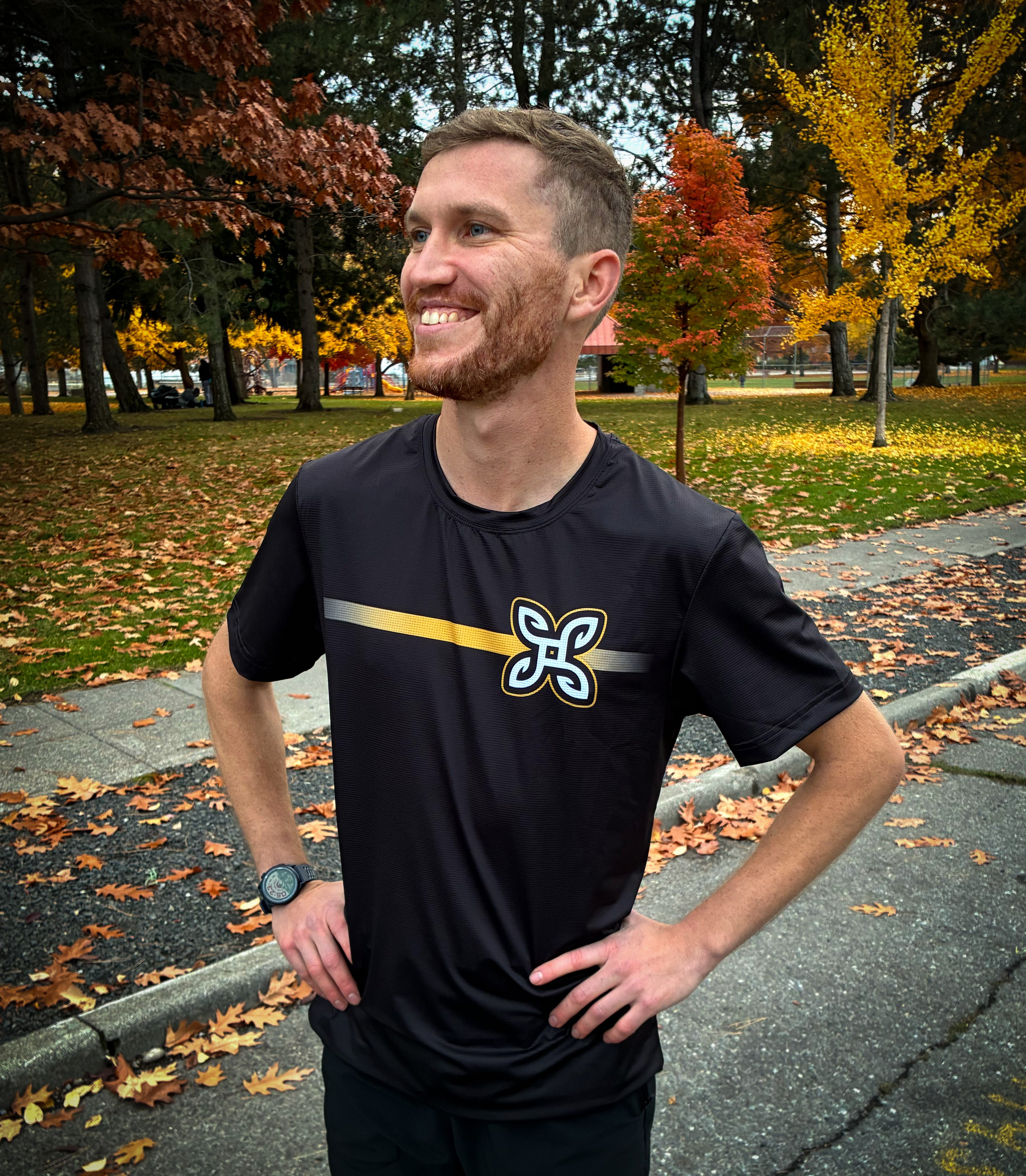
For a heavier tee, the Lilac City Running Pinnacle Tee Shirt in Black and Yellow is priced at $74.99 and is made from polyester mesh with high-contrast graphics on the front and back.
Men who train in heavier layers may prefer the American College of Sports Medicine guidance on exercise clothing and heat stress as a reference for choosing breathable fabrics in warm weather.
Women's Durable Workout Clothes: Fit, Support and Long-Term Wear
Fit is not a comfort preference, it is a durability variable. A top that pulls across the chest, a waistband that rolls, or a strap that digs into the shoulder all create concentrated stress at a few points. Those points stretch, pill, and thin out first, which is why a garment that fits poorly can fail in months while a well-fitted one of the same fabric lasts years. When you evaluate women's workout clothes for long-term wear, look at where the fabric is under tension, not just how it feels in the dressing room.
The stress points to inspect are consistent across body types: the underarm and side seam, the center-back of a sports bra or fitted top, the waistband and hip of leggings, and the inner thigh where fabric rubs against itself. Run a hand along each seam and check for flatlock stitching or bonded seams at the underarm, raised, bulky seams abrade faster and cause chafing on longer sessions.
Fit consistency matters as much as the cut itself. If you wear a medium in one brand and a large in another, order by the size chart on each product page rather than assuming a number carries over. Our singlets use a men's cut that is designed to work for men and women, and women may size down for their best fit: a women's medium corresponds to a men's small. Sizing up to get a looser feel leaves extra fabric to bunch at the waist and under the arms, and that bunched fabric wears unevenly against the body.
Test the piece through a full range of motion before you commit, since a top that rides up or shifts during movement may stretch at the shoulder and neckline.
Pair that with the care guidance below and a well-fitted piece will outlast a looser one of heavier fabric.

Cost Per Wear: When Higher Prices Pay Off and When They Don't
Cost per wear is the simplest way to judge whether a higher price is worth it. Divide the purchase price by the number of times you expect to wear the piece before it fails. A $74.99 tee worn 100 times costs about 75 cents per wear. A $34.99 tee that lasts only 20 wears costs about $1.75 per wear.
Higher prices pay off for garments you wear often, such as daily runs or gym sessions. They are harder to justify for occasional pieces you may wear only a handful of times. Be honest about how often you will use an item before deciding.
The article's cost-per-wear example shows how price and expected wear change the math.
| Item | Price | Estimated wears | Cost per wear |
|---|---|---|---|
| Higher-priced tee | $74.99 | 100 | About 75 cents |
| Lower-priced tee | $34.99 | 20 | About $1.75 |
Affordable Gym Clothes for Men and Sustainable Workout Brands Compared
Affordable gym clothes can work well for light use, but they often trade durability for price in ways you can see before you buy. Compare fabric weight, seam construction, and care instructions rather than the sticker price alone. A cheaper shirt with thin fabric and simple seams may need replacing sooner, and the replacement cost, not the purchase price, is what determines whether it was actually affordable.
Sustainability claims deserve the same scrutiny. A 'recycled' label tells you where the fiber came from, not how long the garment will last or what happens to it at end of life. Most synthetic activewear is polyester or a nylon blend, and those fabrics shed tiny fibers during washing. The shedding is highest in the first few washes and continues over the garment's life, and because synthetic fibers do not break down quickly, they persist in wastewater and sludge. A durable piece you keep for years sheds less per year of use than a cheap piece you replace every season, longevity is the most direct way to reduce shedding, and it is a more honest sustainability argument than a recycled-content badge.
Repairability is the other half of the equation. Before you buy, check whether seams are sewn (repairable by a tailor) or bonded (often not), whether the brand sells replacement drawcords or offers repairs, and whether the care label allows the washing that keeps stretch and wicking performance intact. A common pattern is that the cheapest garments are the hardest to repair, which pushes them toward disposal rather than a second life.
Care instructions tied to lifespan are simple and worth repeating: wash cold, skip fabric softener (it coats wicking fibers and reduces breathability), avoid bleach, and hang or tumble dry low. Hot water and high heat break down elastic fibers and warp stitching faster than wear itself. Following the label adds more life to a shirt than any single feature it advertises.
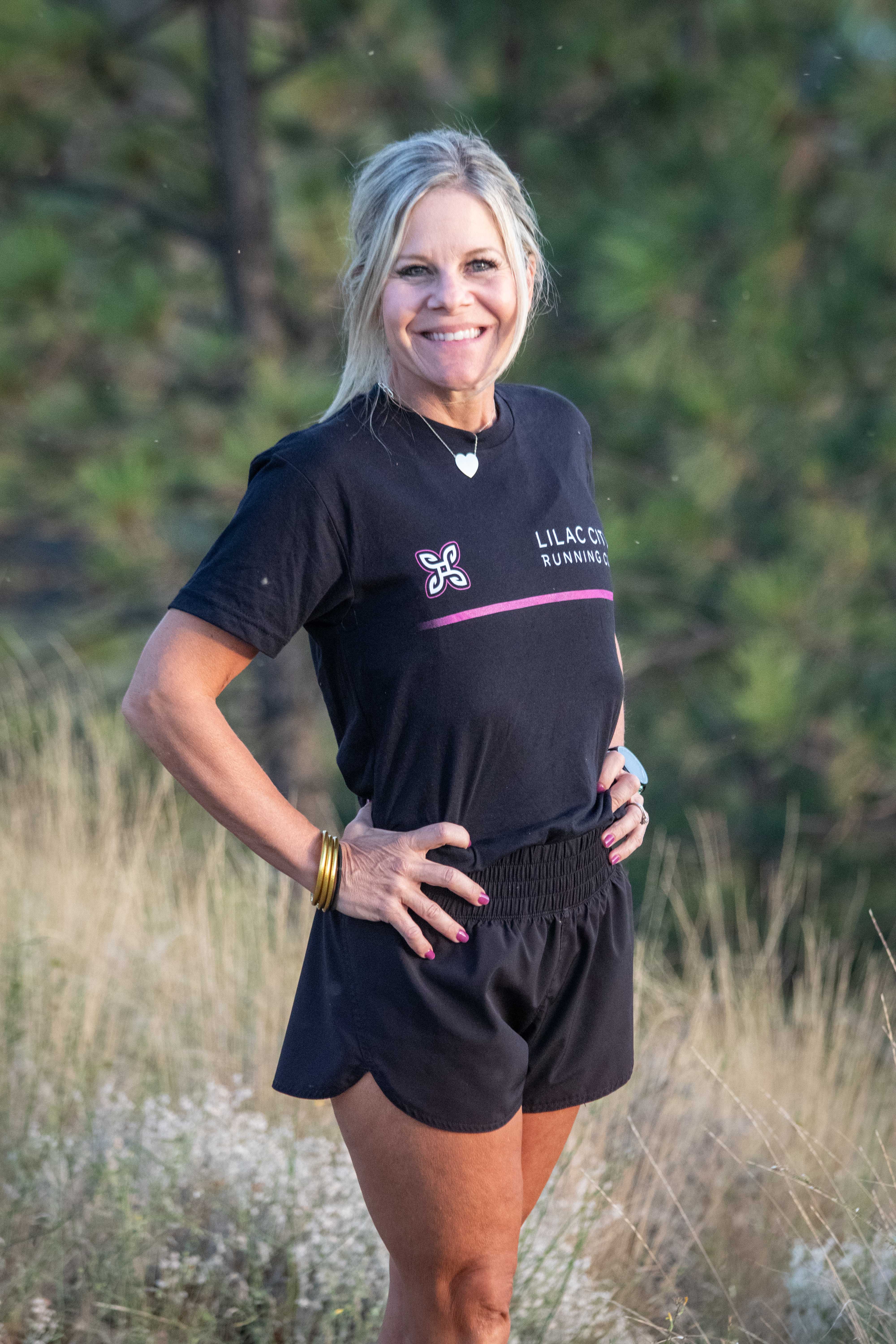
Our Lilac City Center Tee in Black and Hot Punch, at $34.99, is a cotton-polyester blend made in Nicaragua and screen printed in Spokane, designed for casual wear as well as workouts. For shoppers comparing affordable options against sustainable ones, the useful test is cost per wear plus repairability plus care burden, not the sustainability label alone.
Federal Trade Commission guidance on environmental marketing claims
Building a Durable Everyday Fitness Wardrobe Starting With Your Next Purchase
Start with one or two pieces you wear most, and replace them with durable options as they wear out. The Lilac City 935 Running Hat, priced at $34.99, is a six-panel design with 100% ripstop polyester and mesh, with a foldable foam bill.
Plan your next purchase around how often you will wear it, care for it properly, and check the construction before you buy. A few well-made pieces will serve you better than a closet full of garments that fail after a season.
Frequently Asked Questions
What makes workout clothes durable?
Durability comes mostly from fabric construction, fabric weight, and seam quality. Polyester holds its shape and resists pilling better than many natural fibers, and heavier knits generally resist abrasion longer than lightweight mesh. Reinforced stitching along seams and the crotch area prevents the first failures most people see. Washing in cold water, avoiding bleach and skipping fabric softener also extends the life of most athletic fabrics. The Lilac City Harrier singlet, for example, is made of polyester.
How often should you replace workout clothes?
There is no fixed schedule, but replace garments when they lose elasticity, become thin enough to be see-through, or hold odor after washing. Stretched waistbands and collars that no longer recover are also signs. A rough guide is that everyday training tops can last years with proper care, while a shirt worn daily for hard sweat sessions may wear out faster. Tracking how many wears a piece gets helps you judge whether it is worth replacing or repairing.
Are durable workout clothes worth the higher price?
They are often worth it if you wear the piece frequently. Divide the purchase price by the number of times you wear it to get cost per wear. A $54.99 singlet worn 100 times costs about 55 cents per wear, while a cheaper garment that fails after 20 wears costs more over time. Durable apparel is less worthwhile for occasional use, where a lower-priced item may serve just as well.
What is the healthiest material for workout clothes?
Breathable synthetic blends such as polyester are common for training because they wick moisture away from the skin and dry quickly. Cotton absorbs sweat and stays wet, which many runners find uncomfortable on long efforts. Choosing a fabric is mostly a matter of fit, moisture management and how you plan to wear the garment, rather than a single healthiest option.
