
Last Updated: November 14, 2026
Quick Summary
To transition running gear into daily wear, build a small kit of moisture-wicking, neutral-colored pieces and swap your sweaty top for a clean dry tee within ten minutes of finishing. Cool down first, blot sweat instead of scrubbing, seal the used kit in a bag, and wash gear the same day to control odor.
- Start with five essentials: one wicking top, one quick-dry bottom, one hat, one lightweight layer, and two pairs of socks.
- Wash technical apparel cold, skip fabric softener, and air-dry to protect wicking performance.
- Pack a go-bag the night before with a clean tee, socks, towel, wipes, and a sealable bag for the sweaty kit.
- Build a 15-minute buffer between your run's end and your commute to cover changing and wipe-down.
- Rotate at least two tops so one always dries fully between runs.
Table of Contents
- Build Your Essential Running Gear Kit for Daily Transitions
- Running Gear for Beginners: Start with Versatile Pieces
- How to Care for Running Clothes So They Last
- What to Pack for After a Run: Your Go-Bag Checklist
- Step-by-Step: Transitioning from Run to Daily Wear
- Odor Management for Daily Commuters and High-Frequency Runners
- Build a Capsule Wardrobe for Runners: Mix, Match, Repeat
- Shop Lilac City Running Company for Gear That Works All Day
- Frequently Asked Questions
Build Your Essential Running Gear Kit for Daily Transitions
Most runners treat gear as one pile for everything. That's the mistake.
At Lilac City Running Company, we build apparel for exactly this.
Here's the core idea: buy fewer pieces, choose breathable fabrics that dry fast, and set up a system so today's run doesn't wreck tomorrow's.
Running gear that transitions well shares three traits: moisture-wicking fabric, a clean cut, and colors that don't scream "workout." Get those right and you need half the closet.
A quick note on why this matters. Runners who wear the same sweat-soaked kit day after day deal with odor, fabric breakdown, and skin irritation. The fix isn't more clothes.
Running Gear for Beginners: Start with Versatile Pieces
New runners overbuy. The better move is to start with a small set of essential running gear that works for training and everyday wear.
Keep it simple with this starter list:
- One moisture-wicking top in a neutral color
- One pair of quick-dry shorts or compression tights
- One breathable hat for sun and sweat
- One lightweight layer for cold mornings
- Two pairs of running socks you rotate
That's it. Five items cover most daily mileage.
The trick is picking pieces that don't look out of place at a coffee shop. A plain performance tee in black or navy reads as casual wear. A loud race shirt reads as a race shirt.
How to Care for Running Clothes So They Last
Washing technical apparel wrong is the fastest way to kill it. Care for running clothes by skipping fabric softener, washing cold, and air-drying whenever you can.
Here's the routine we recommend:
- Turn pieces inside out before washing
- Use cold water and a gentle cycle
- Skip softener, which coats synthetic fibers and blocks wicking
- Hang dry or tumble on low
- Wash after every single run, no exceptions
A common mistake is letting sweaty gear sit in a gym bag overnight. That's how odor sets in and stays. Pull it out and hang it the moment you're home.
If you're weighing whether nicer gear is worth the money, our guide on whether durable workout clothes are worth the higher price breaks down what you actually get for the spend.
Watch out:
What to Pack for After a Run: Your Go-Bag Checklist
A packed go-bag removes the friction that keeps runners from transitioning cleanly. Keep one bag ready so you never scramble for a clean shirt.
Use this checklist and restock it after every run:
- Clean moisture-wicking tee
- Fresh socks and underwear
- A small towel
- Deodorant or wipes
- A sealable bag for the sweaty kit
- A hat for the walk to work or errands
- Water bottle
The sealable bag is the piece most people forget. It keeps sweat and odor away from your clean clothes. A simple zip bag works fine.
Pack the bag the night before. Morning-you will thank evening-you.
Step-by-Step: Transitioning from Run to Daily Wear
The cleanest transition takes about five minutes once you have the routine down. The goal is to swap the wet layer, manage the sweat, and step out looking like you didn't just run, whether you're heading to a desk, a job site, or a coffee shop.
Here are the steps:
- Cool down first. Walk for three to five minutes so your core temperature drops and you stop actively sweating before you change. Changing while you're still sweating just soaks the clean shirt.
- Swap the top first. Trade your run shirt for a clean, dry tee. The top holds the most sweat and the most odor, so replacing it delivers the biggest visual and smell improvement per second spent.
- Blot, don't scrub. Use a towel or wipes on your face, neck, and underarms. Scrubbing irritates skin that's already warm and damp; blotting lifts moisture without redness.
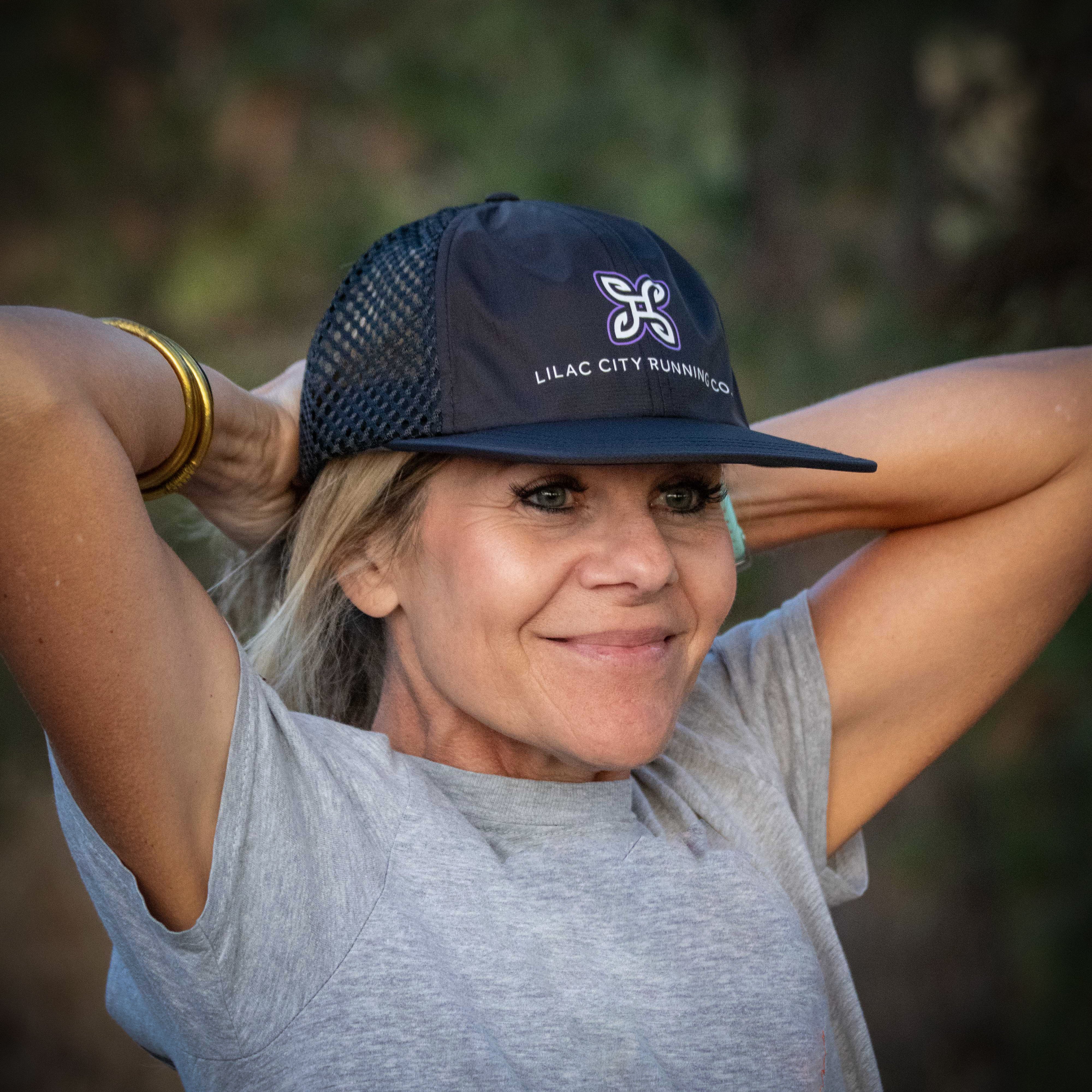
- Refresh your hat. Our Lilac City Running 935 Hat is a lightweight, breathable option for a run. If you ran without a hat, a quick pass with a damp towel over your hairline does the same job.
- Bag the sweaty kit. Seal it so it doesn't spread odor to your clean clothes or your car. A zip-top bag or a dedicated wet bag both work; the seal matters more than the material.
- Reapply deodorant and go. Apply to dry skin, not damp skin, deodorant slides off wet underarms and stops working within the hour.

The micro-habit that matters most: change your top within ten minutes of finishing. The longer sweat sits, the more it sets into fabric and skin, and the harder it is to remove in the wash.
Run-to-Work Transitions in a Professional Setting
Most guides stop at "change your shirt." The harder problem is the runner who finishes a 6 a.m. run, commutes, and needs to look presentable by 8:30.
Time. Build a 15-minute buffer between the end of your run and the start of your commute.
Appearance. The pieces that read as "workout" are usually the loud ones: race shirts, neon singlets, logo-heavy shorts.
A common pattern among daily commuters is to keep a second full kit at the office, one clean top, one pair of socks, one lightweight layer, so a forgotten item never derails the morning.
Watch out: Don't change in a restroom stall without a bag for the sweaty kit.
Odor Management for Daily Commuters and High-Frequency Runners
Odor is the number one complaint from runners who wear gear daily. The fix is prevention, not perfume.
Sweat itself is mostly odorless (Understanding the microbial basis of body odor in pre-pubescent children and teenagers). Bacteria cause the smell. So the goal is to deny bacteria a place to grow: keep fabric dry, keep air moving, and get sweat out of the fabric before it sets.
Try these habits:
- Never re-wear a sweaty top without washing. A single re-wear doubles the bacteria load and the smell compounds.
- Choose anti-microbial and quick-dry fabrics where you can. Quick-dry fabrics move moisture to the surface and evaporate it, which starves bacteria of the damp environment they need.
- Rotate at least two tops so one always dries fully. A top that's still damp at the seams when you put it on will smell by mid-morning.
- Wash gear the same day when possible. The longer sweat sits in fabric, the more it binds to the fibers and the harder it is to remove in a cold wash.
- Store clean gear somewhere dry, not in a damp gym bag. A closed bag traps humidity; a hook or open shelf lets fabric breathe.
A common mistake is spraying a sweaty shirt with deodorizer and wearing it again. That masks the smell for an hour. It doesn't fix the bacteria, and the spray itself can leave a residue that traps odor over time.
For commuters, a breathable hat and a fresh base layer do more for odor control than any spray.
Odor Management for the Commute Itself
The commuter problem is different from the home problem. At home, you can hang gear immediately.
Three tactics close that gap:
Seal the sweaty kit, then ventilate it. A zip-top bag or a dedicated wet bag keeps odor off your clean clothes and your car seats during the commute. The moment you arrive, pull the kit out and hang it, on a chair back, a hook, or a hanger, so it can start drying. A sealed bag that stays sealed all day is a bacteria incubator.
Carry a quick-dry towel, not a terry towel. Terry cloth holds moisture and odor; a microfiber or quick-dry towel wrings out and dries between uses.
Use a dedicated gear bag with a ventilated compartment. Bags designed for gym commuters separate wet from dry with a mesh or vented pocket.
A common pattern is to leave the sweaty kit in the car all day and deal with it at night. By then the odor has set into the fabric and the car.
Watch out: Don't store clean gear in the same compartment as the sweaty kit, even in a sealed bag.
Build a Capsule Wardrobe for Runners: Mix, Match, Repeat
A running capsule wardrobe is a small set of pieces that all work together. It cuts decision fatigue and keeps your laundry cycle manageable.
Build yours around a tight color palette so everything matches:
| Piece | Why It Works | Daily Use |
|---|---|---|
| Neutral performance tee | Wicks sweat, looks casual | Run and errands |
| Running singlet | Breathable, race-ready | Speed days and warm weather |
| Compression tights | Support and warmth | Cold runs, layered under shorts |
| Quick-dry hat | Sun and sweat control | Every run |
| Lightweight layer | Seasonal transition | Cool mornings |
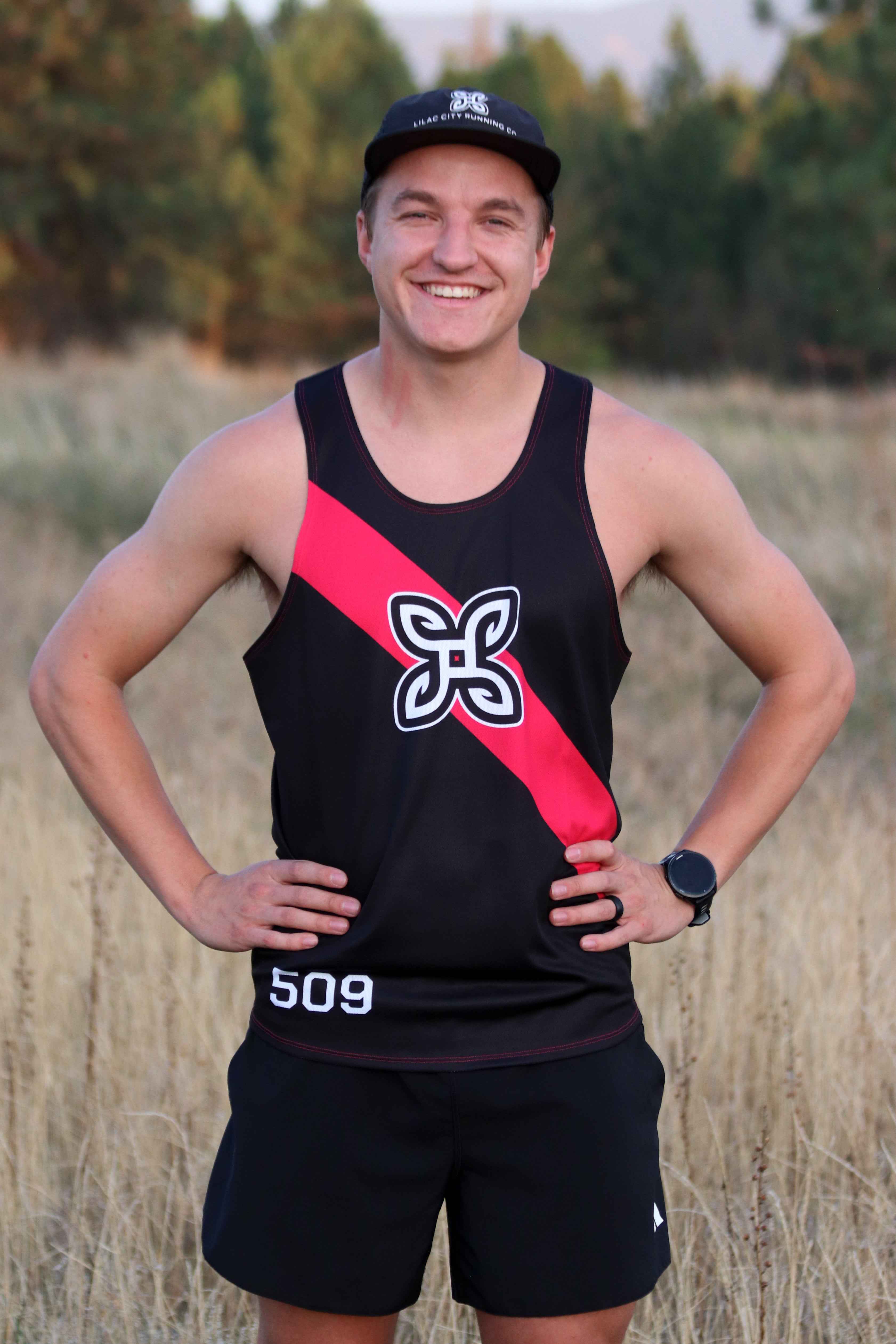
A singlet like our Lilac City Harrier Running Singlet fits a capsule well. It's breathable, built for performance, and looks sharp enough to wear beyond race day.
The capsule approach also helps your gear last. Fewer pieces, rotated and cared for properly, means less wear per item and a longer life for each one.
Shop Lilac City Running Company for Gear That Works All Day
The right gear makes the whole daily transition feel effortless. That's what we build at Lilac City Running Company: high-performance apparel for runners who want one kit that handles training and the rest of the day.
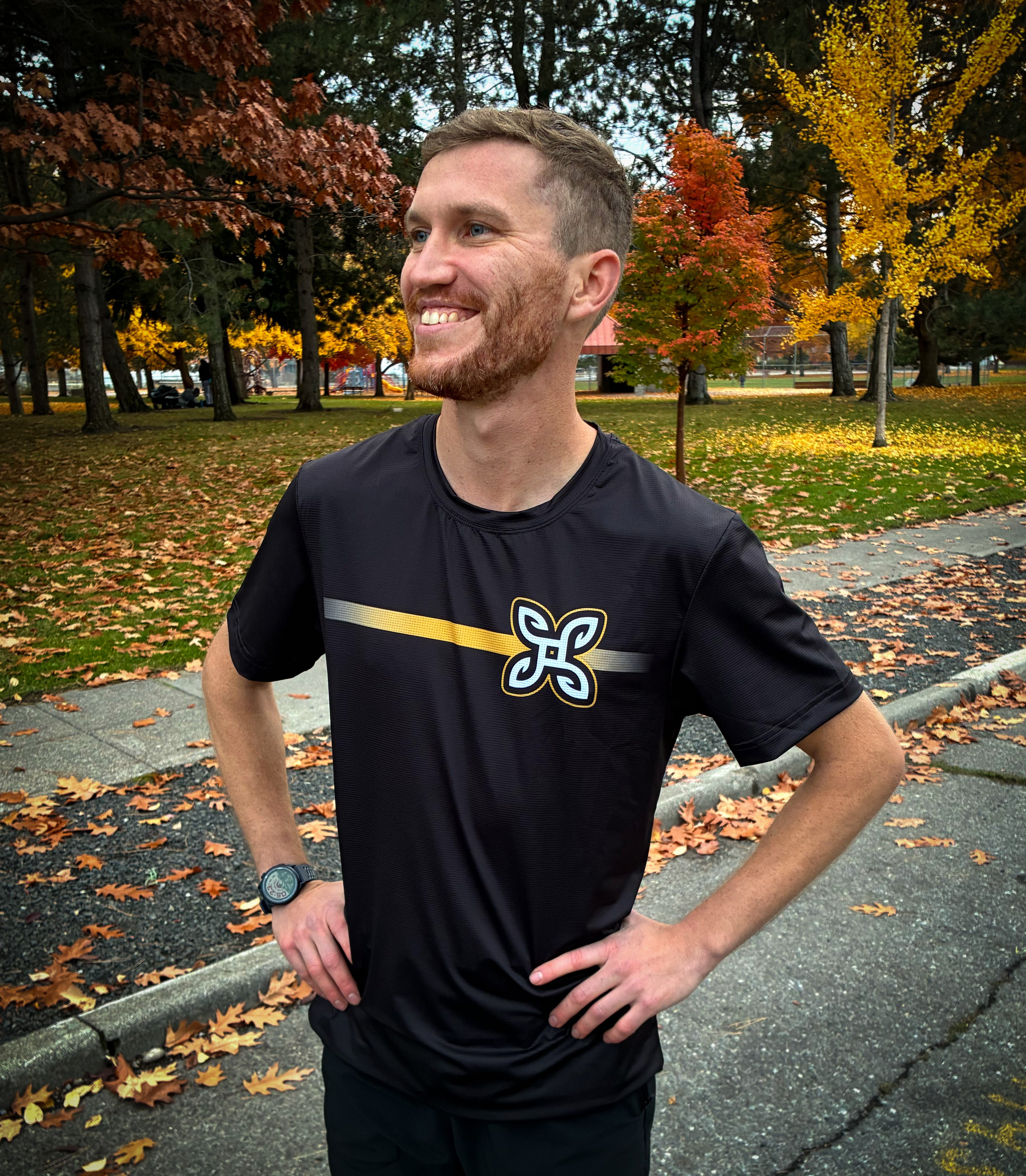
Our Pinnacle Tee Shirt is a good example. It's made with imported Italian Borgini mesh fabric, weighs 4.3 ounces in an XL, and feels smooth and light against the skin.
Our gear is designed by people with deep roots in the Spokane running community, and our apparel is printed, sewn, and manufactured in Spokane, Washington. When you're ready to build a kit that transitions cleanly, Shop All.
The real challenge isn't buying gear. It's building a daily system that keeps you moving from run to life without friction.
Frequently Asked Questions
Is it okay to wear running clothes for the rest of the day?
It depends on the fabric and how sweaty you got. Technical running gear made from moisture-wicking synthetics can be worn casually after a run if you air it out and it dries quickly. But leaving sweat-soaked clothes on for hours encourages bacterial growth and odor. Change out of your run-specific base layers within 30 minutes, and switch to a clean, versatile piece like the Lilac City Pinnacle Tee if you want to stay in athletic wear.
How soon should you change out of sweaty running clothes?
Change within 15 to 30 minutes of finishing your run. Sweat trapped against your skin keeps fabric damp, which feeds odor-causing bacteria and can lead to chafing or skin irritation. If you cannot shower immediately, at least swap your top and socks, and wipe down with a towel. Pack a clean change of clothes in your post-run bag so you are never stuck in wet gear.
What running gear can you wear casually after a run?
Look for pieces that balance performance fabrics with clean design. A lightweight running singlet or tee in a solid color, like the Lilac City Harrier Singlet, can pass as casual wear when paired with jeans or shorts. Avoid gear with heavy race logos or reflective strips if you want a street-ready look.
How do you keep running clothes fresh during the day?
Air them out immediately after your run, hang them in a ventilated space, and use a fabric refresher designed for synthetics. Avoid stuffing damp clothes into a gym bag. For a full day of wear, pack a clean base layer and change tops. Rotating between two or three pieces and washing them after every one or two wears keeps odor under control.
